The Met x BAND-AID® Brand

In a first-of-its-kind collaboration, BAND-AID® Brand and The Metropolitan Museum of Art have unveiled an exclusive collection of first aid products, bringing art to life in a way that redefines everyday care.

 Met x BAND-AID®: Exclusive Art-Inspired First Aid Collection - Flexible Fabric hero
Logo featuring 'THE MET' and 'BAND-AID® Brand' adhesive bandages in white text on a transparent background.

Discover the Limited-Edition Collection

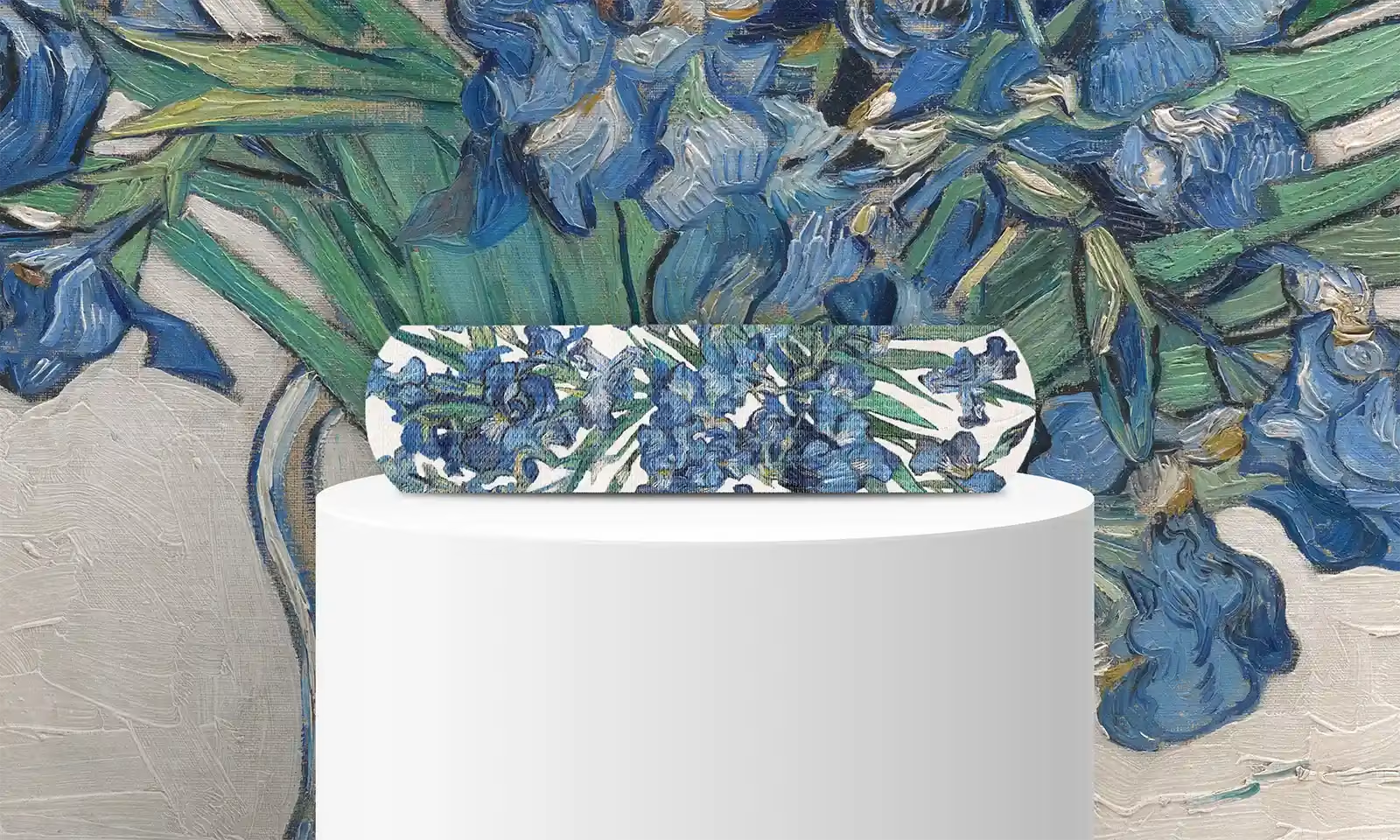
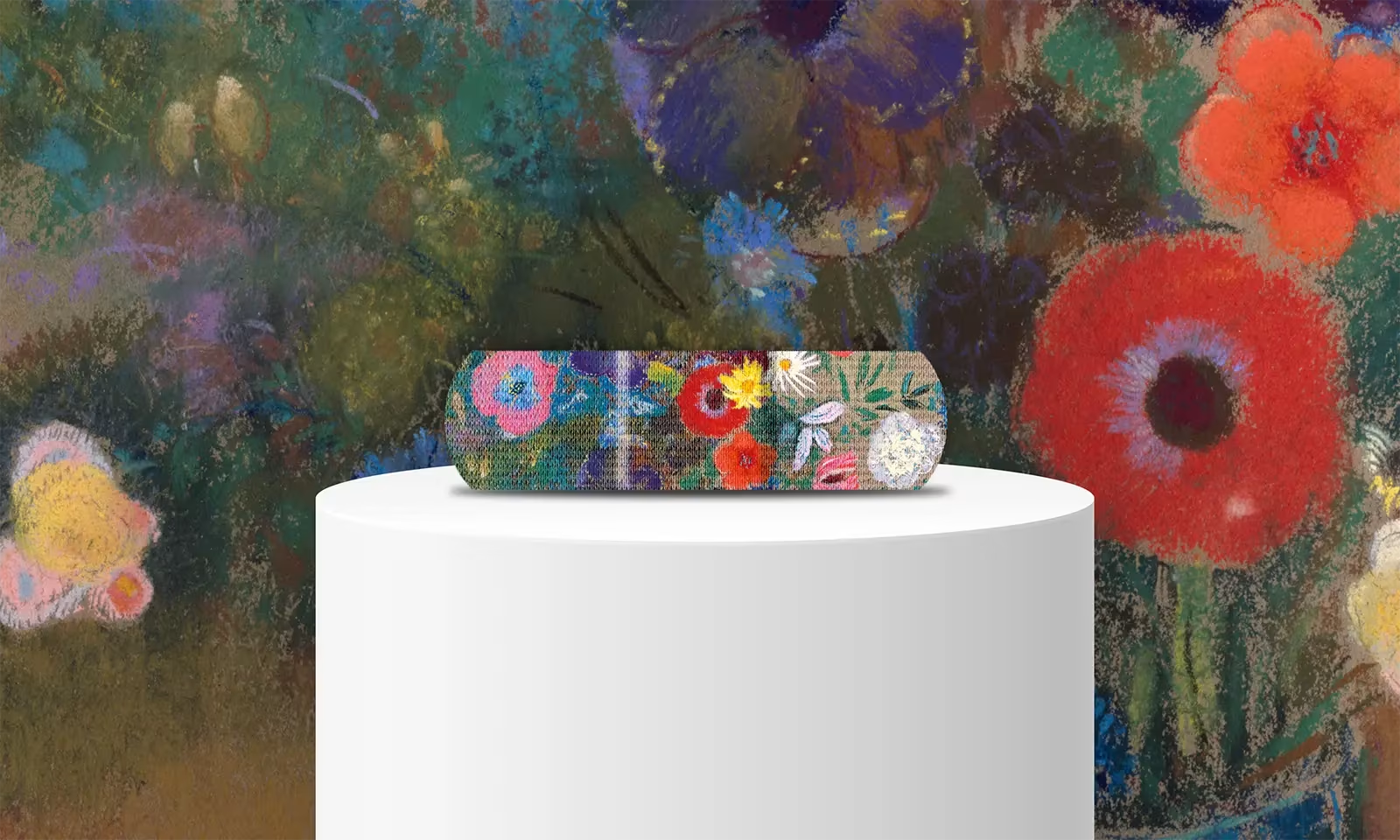
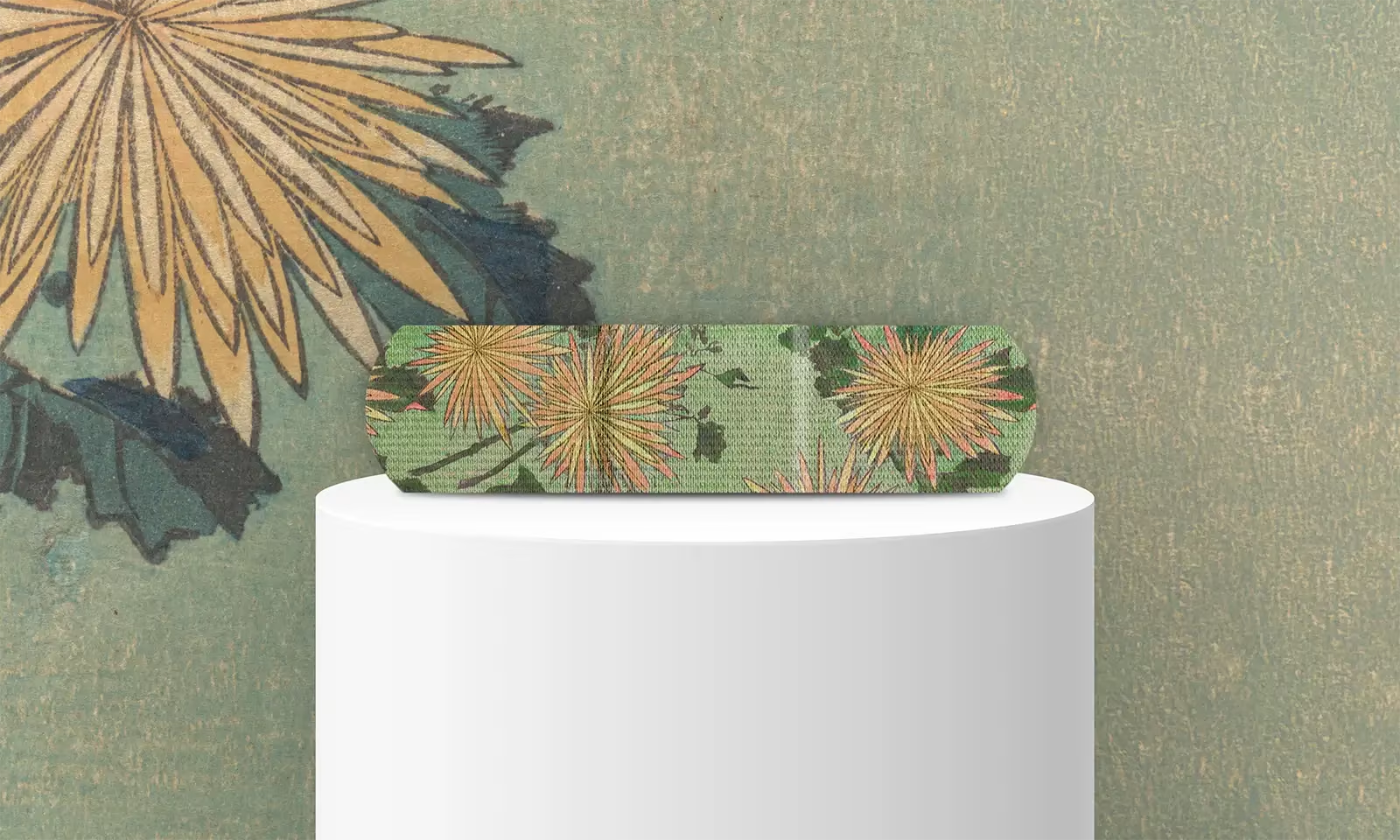
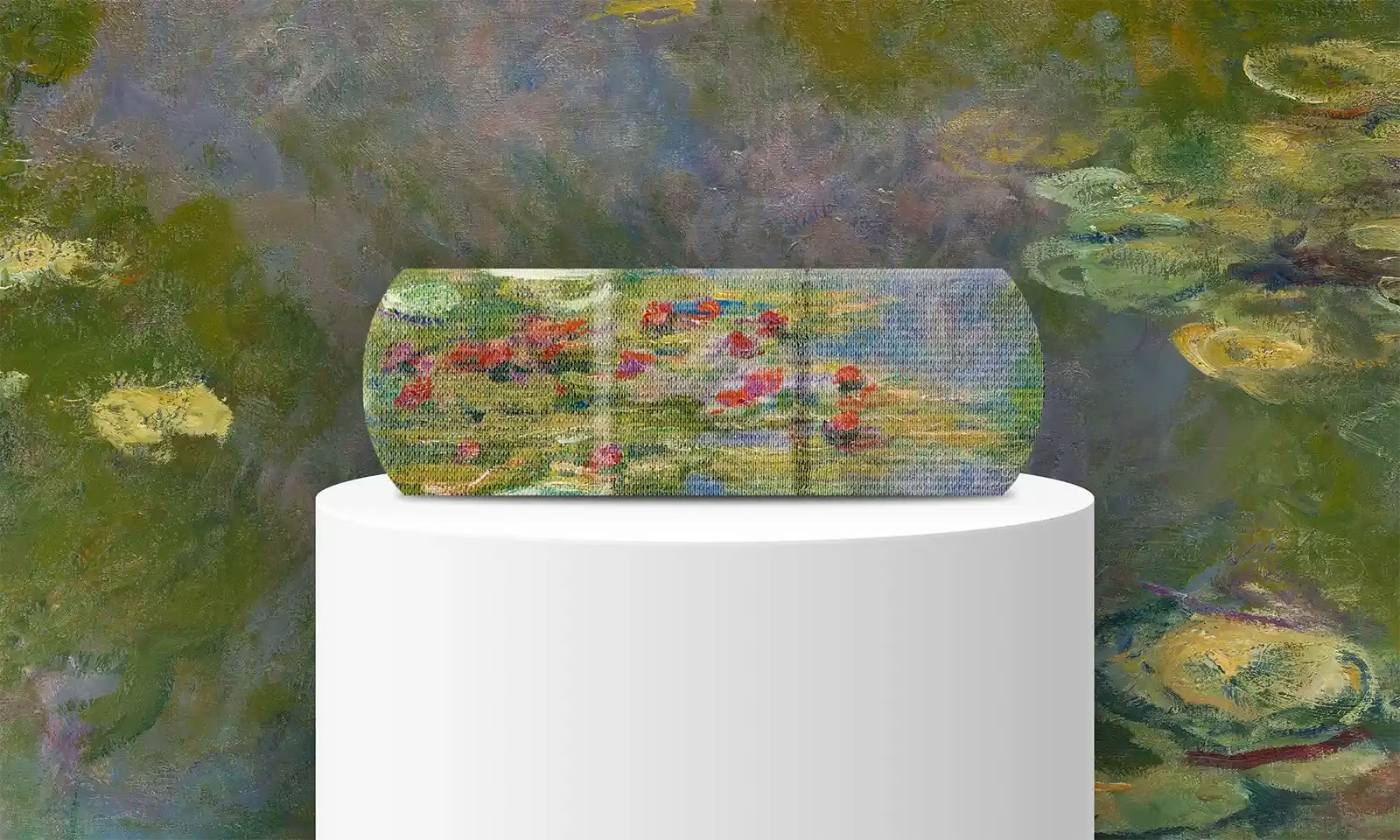
The line reimagines BAND-AID® Brand’s first aid products with beloved works of art in The Met collection. These BAND-AID® Brand Adhesive Bandages, elegantly packaged in classic metal tins, showcase details from timeless artworks by Hokusai, Monet, Redon, and Van Gogh.

Discover the Artworks Behind this Collaboration
Claude Monet

Claude Monet (French, 1840–1926) was a key figure in the Impressionist movement that transformed late 19th-century French painting. He led the way to modernism by developing a unique style that captured the act of perceiving nature.

Water Lilies, 1919

A passionate horticulturist, Monet created his famous water-lily garden in Giverny "for the pleasure of the eye and also for motifs to paint." The picturesque landscape would become a beloved subject of the artist's work.

Vincent van Gogh

Through innovative brushstrokes and vibrant colors, Vincent van Gogh (Dutch, 1853–1890) transformed bouquets, landscapes, and ordinary people into unforgettable images.

Today, he’s regarded as a leading figure in the history of modern art.

Irises, 1890

Irises is one of four exceptional still lifes that Van Gogh created in May of 1890. He sought to achieve a "harmonious and soft" effect by placing the "violet" flowers against a "pink background," though the colors have since faded.

Odilon Redon

Odilon Redon’s (French, 1840–1916) artistic aim was "to place the logic of the visible at the service of the invisible." Imaginative portraits, bouquets, and mythological scenes are among the images that define his wondrous body of work.

Bouquet of Flowers, ca. 1900-1905

As a young man, Redon was fascinated with Darwinian biology and befriended the curator of the botanical gardens in his hometown of Bordeaux. The Met’s Bouquet of Flowers demonstrates a naturalist's sense of wonder.

Katsushika Hokusai

Katsushika Hokusai (Japanese, 1760–1849) possessed a keen perception of humanity and an extraordinarily creative approach to depicting scenes from nature. He produced tens of thousands of artworks—paintings, sketches, illustrated books, and prints—including The Great Wave (ca. 1830–32), which ranks among the most famous images in art history. It belongs to his monumental series Thirty-six Views of Mount Fuji, which is represented in The Met’s celebrated collection of Asian art.
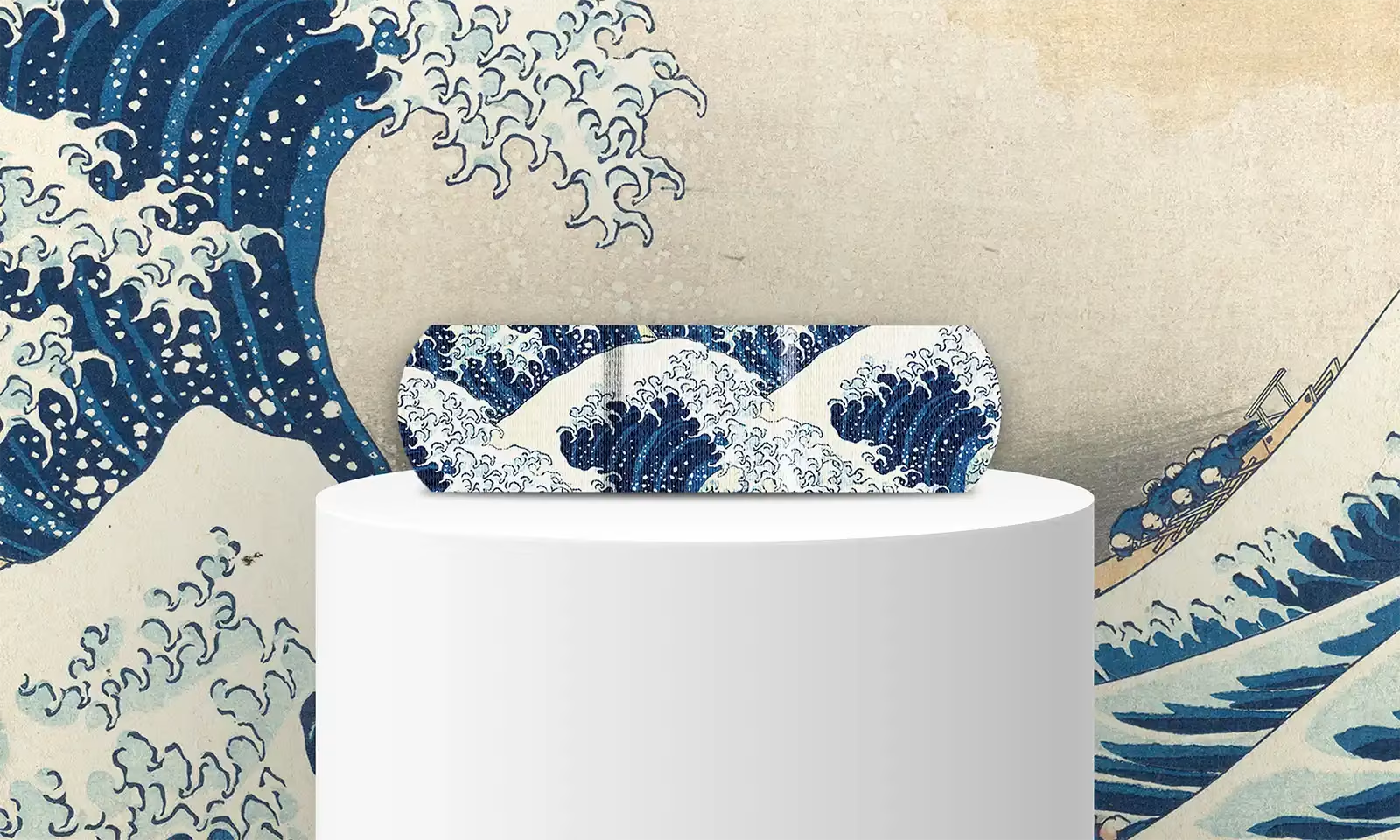

Met x BAND-AID®: Exclusive Art-Inspired First Aid Collection - The Wave

The Great Wave, ca. 1830–32

The Great Wave is perhaps Hokusai's most iconic creation. The Edo-period painter and printmaker was especially revered for his landscapes, in which he employed clever use of perspective and a rich color palette.

Met x BAND-AID®: Exclusive Art-Inspired First Aid Collection - The Lake

The Lake at Hakone in Sagami Province, ca. 1830–32

This landscape dazzles with its bright, clear tones and brilliant light effects. Hokusai makes use of the cloud form common to traditional Japanese prints, the suyari gasumi, as a framing device to draw attention to the mountain.

Met x BAND-AID®: Exclusive Art-Inspired First Aid Collection - Chrysanthemum

Yellow Chrysanthemums on a Blue Ground, ca. 1825

Hokusai was endlessly enchanted by nature, and created a number of serene studies of flora and fauna. This tranquil woodblock print is a thoughtful depiction of delicate yellow chrysanthemums against an ethereal blue background.